
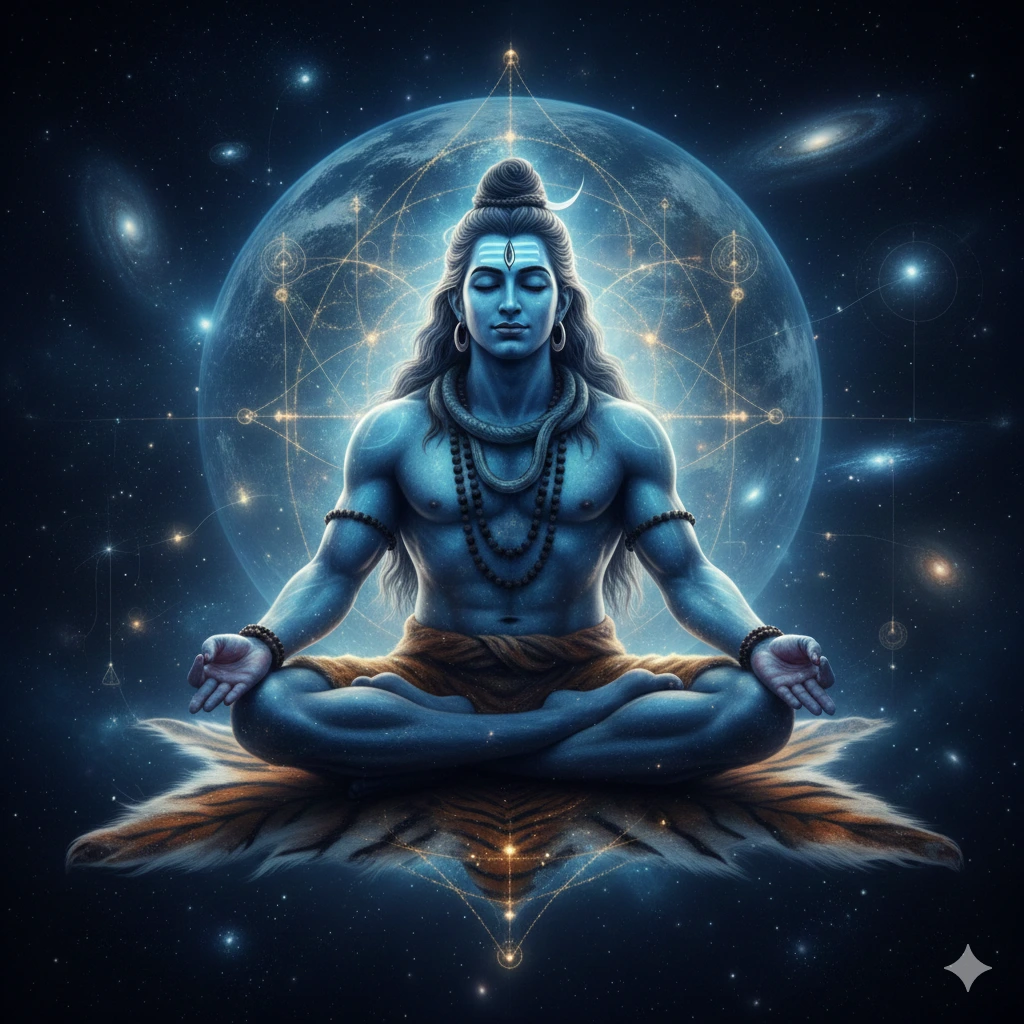
Mahashivratri, literally translating to “The Great Night of Shiva,” stands as one of Hinduism’s most spiritually profound festivals. Unlike most celebrations marked by daytime festivities, this sacred observance unfolds under the cover of darkness—a night when devotees believe the cosmic energies align to facilitate spiritual transformation and divine connection with Lord Shiva, the destroyer and regenerator within the Hindu trinity. In 2026, this auspicious festival will be observed on Sunday, February 15th, extending into the early hours of February 16th
The Cosmic Significance
Mahashivratri falls on the fourteenth lunar day (Chaturdashi) of the dark fortnight in the Hindu month of Phalguna (February-March). According to sacred texts, this night commemorates multiple divine events: the cosmic dance of Shiva (Tandava) that sustains universal cycles, the marriage of Shiva and Parvati symbolizing the union of consciousness and energy, and the night when Shiva manifested as a pillar of infinite light (Jyotirlinga). Ancient wisdom suggests that on this night, the natural upsurge of energies within the human system makes spiritual practices exceptionally potent—making it ideal for meditation, self-reflection, and inner awakening
Essential Rituals of the Night
Devotees observe Mahashivratri through disciplined spiritual practices designed to purify body and mind:
- Fasting (Vrat): Most observers maintain a strict fast—either consuming only fruits, milk, and water or abstaining completely from food and drink until sunrise.
- Night-long Vigil (Jagaran): Staying awake throughout the night in prayer and meditation, resisting sleep as a form of spiritual discipline.
- Shivalingam Abhishekam: Performing ritual bathing of the Shiva Lingam with water, milk, honey, yogurt, and ghee—each substance symbolizing purification of different aspects of consciousness.
- Bilva Leaf Offerings: Presenting sacred Bilva (Bael) leaves, considered especially dear to Lord Shiva, in sets of three representing the trinity of Brahma, Vishnu, and Shiva samarthgurudhara.org
- Mantra Chanting: Reciting sacred mantras like “Om Namah Shivaya” (the Panchakshara mantra) to invoke divine vibrations
- Temple Visits: Pilgrimages to Jyotirlinga temples and local Shiva shrines, where special ceremonies create powerful collective energy
The Four Prahars: Structure of the Sacred Night
The night is traditionally divided into four three-hour segments called prahars, with puja ideally performed during each quarter:
| Prahara (Quarter) | Timing | Spiritual Focus | Recommended Practice |
|---|---|---|---|
| First Prahara | 6:00 PM – 9:00 PM | Purification & Intention Setting | Initial Abhishekam; begin fast |
| Second Prahara | 9:00 PM – 12:00 AM | Deepening Devotion | Chanting mantras; offering flowers |
| Third Prahara | 12:00 AM – 3:00 AM | Peak Spiritual Energy (Nishita Kaal) | Most auspicious puja time (12:09–1:01 AM in Delhi) www.drikpanchang.com |
| Fourth Prahara | 3:00 AM – 6:00 AM | Integration & Dawn Preparation | Final offerings; meditation until sunrise |
The third prahara, particularly the Nishita Kaal (midnight period), is considered the most spiritually potent moment when Shiva’s presence is believed to be most accessible
Regional Celebrations Across India
While the core essence remains consistent, Mahashivratri transforms uniquely across India’s cultural landscape:
- Tamil Nadu: At Annamalaiyar Temple in Tiruvannamalai, thousands perform Girivalam—a 14-kilometer circumambulation of the sacred Arunachala hill.
- Kashmir: Celebrations extend for 21 days, culminating in a grand feast called Herath, where families exchange gifts and prepare special vegetarian feasts.
- Karnataka: The town of Gokarna hosts massive processions with decorated chariots carrying Shiva idols through streets filled with chanting devotees .
- Maharashtra: Devotees prepare Sabudana Khichdi and Singhare ke Pakode (fasting foods) while visiting the revered Bhimashankar Jyotirlinga.
- Varanasi: The entire city transforms into a spiritual epicenter, with continuous chanting along the Ganges ghats and special ceremonies at the Kashi Vishwanath Temple.
Spiritual Benefits Beyond Ritual
Mahashivratri’s deeper purpose transcends ritualistic observance. The night-long vigil trains the mind to transcend ordinary consciousness. Fasting cleanses not just the body but also mental patterns, creating space for introspection. The continuous chanting generates vibrational harmony within the practitioner. As spiritual teachers explain, this night offers a rare opportunity to dissolve limitations of the ego and experience unity with the divine consciousness that Shiva represents—the formless, timeless reality underlying all existence
Conclusion
Mahashivratri is far more than a religious festival; it is an annual invitation to spiritual renewal. In a world often dominated by external pursuits, this “Grand Night” calls humanity inward—to stillness, to devotion, to the recognition of divinity within. Whether observed through elaborate temple ceremonies or simple home prayers, whether through strict fasting or mindful meditation, Mahashivratri offers every seeker a sacred doorway to transformation. As the darkness of night gives way to dawn on Saturday, March 6, 2027, millions will emerge not just having completed rituals, but having touched something eternal within themselves—the very essence that Lord Shiva embodies: pure, unchanging consciousness beyond time and form.
 Jyotishgher Astrology